Clothing: The American Words for What You Wear
Getting dressed is one of the first things you do in English every morning without thinking about it, until you try to describe it to someone and realize the words do not always match. American and British English agree on many clothes, but they disagree on some of the most common ones, and a handful of words flip meaning entirely from one country to the other.
This guide walks through the clothes you wear and talk about most often, American word first, with the British twin noted so you recognize it when you meet it. As with the rest of this series, the goal is not just a word list but an explanation, so the names actually stick.
Clothes with two names
Some everyday clothes simply have a different name on each side of the Atlantic. Same garment, different word. These are the pairs worth memorizing first:
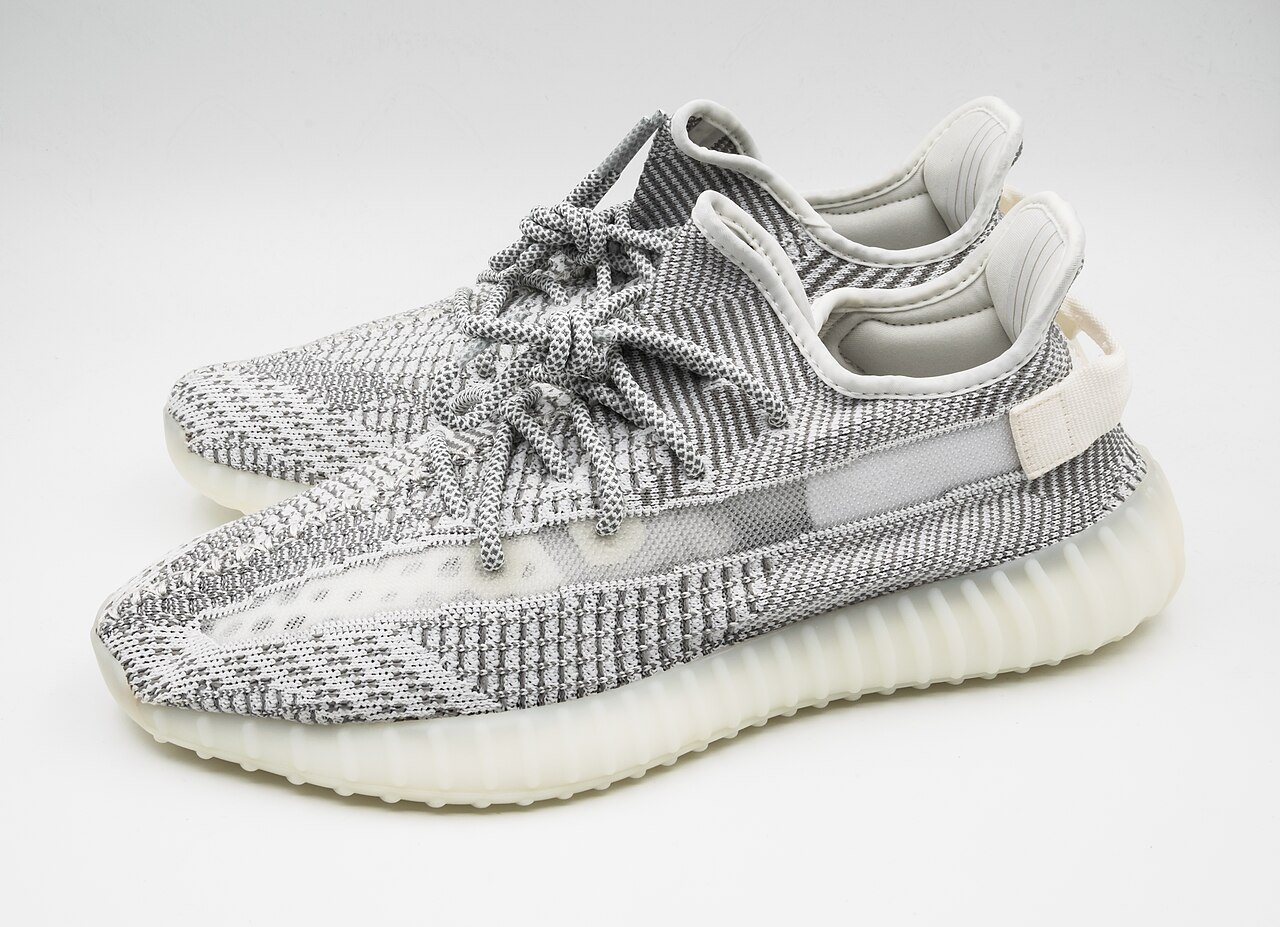
- Sneakers (US) / trainers (UK). The soft, comfortable athletic shoes above. Americans call them sneakers because their rubber soles once let you move quietly, or "sneak." In Britain they are trainers, short for "training shoes."
- Pants (US) / trousers (UK). Here is a classic trap. In American English, pants are the outer garment you wear on your legs. In British English, "pants" means underwear, and the leg garment is trousers. So telling a British friend you "spilled coffee on your pants" may earn you a surprised look.
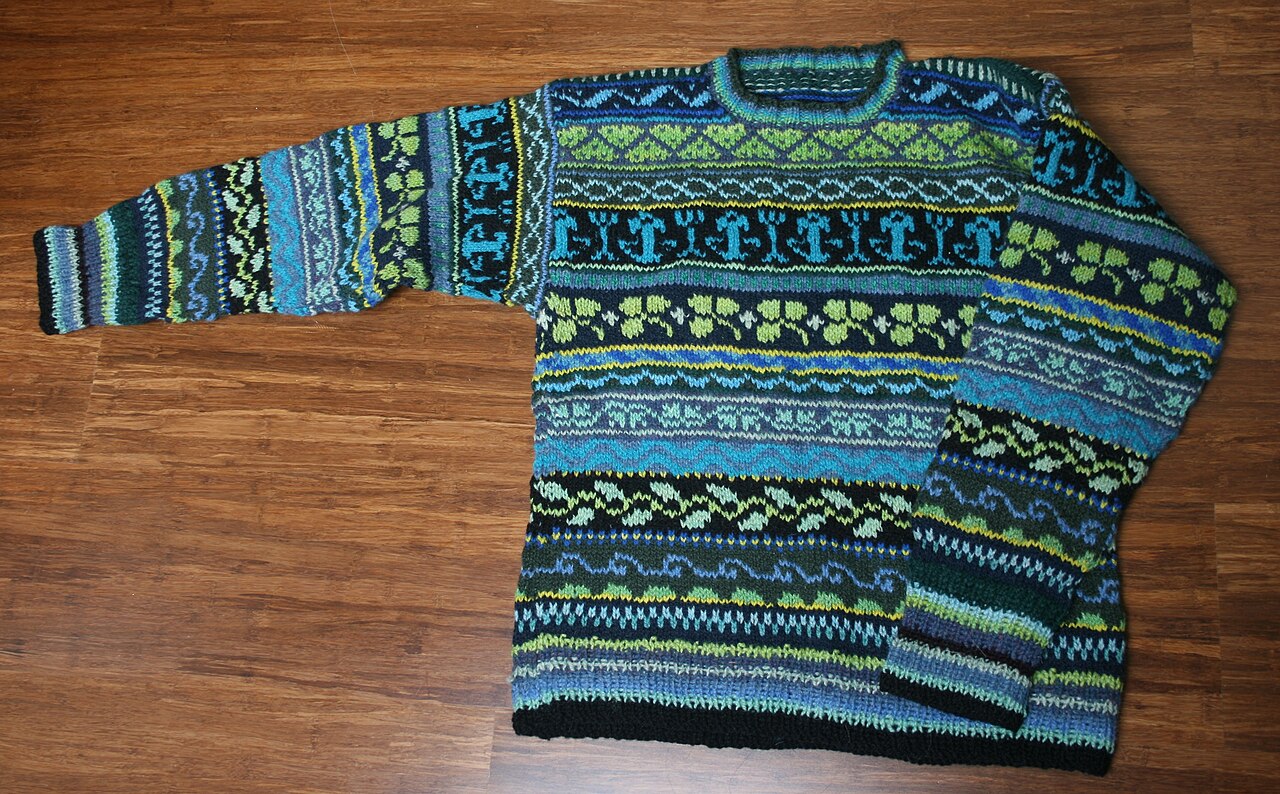
- Sweater (US) / jumper (UK). The warm, knitted top you pull over your head, like the one at the top of this article. Britons call it a jumper, while a "jumper" in American English is a kind of sleeveless dress, which only adds to the confusion.
- Sweatpants (US) / joggers or tracksuit bottoms (UK). The soft, elastic-waist pants you wear to relax or work out.
- Raincoat (US) / mac (UK). A "mac," short for Mackintosh, is the British word for a waterproof coat.
- Rain boots (US) / wellingtons or wellies (UK). The tall rubber boots for wet weather. Americans also say "rubber boots."
- Bathrobe (US) / dressing gown (UK). The soft robe you wear around the house after a shower.
- Tuxedo (US) / dinner jacket (UK). The formal black suit worn to fancy events. Americans shorten it to "tux."
The vest trap: words that flip meaning
A few clothing words are dangerous because they do not just change spelling, they swap meaning completely between the US and UK. These deserve special care.
- Vest. In American English, a vest is the sleeveless garment you wear over a shirt, often as part of a three-piece suit. In British English, that same garment is a waistcoat, and "vest" instead means a sleeveless undershirt. So an American vest and a British vest are two entirely different pieces of clothing.
- Undershirt (US) / vest (UK). The thin shirt worn under your main shirt, for warmth or to absorb sweat.
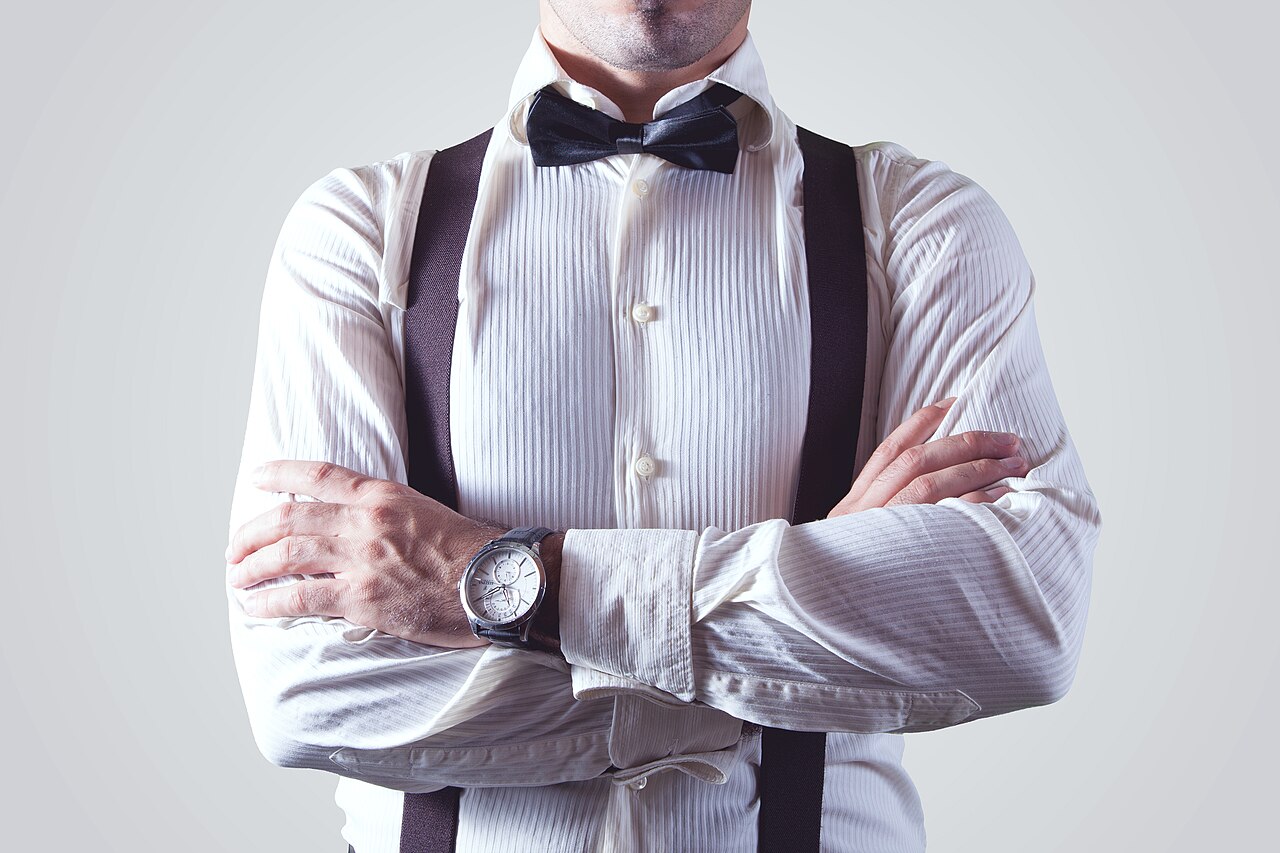
- Suspenders (US) / braces (UK). The straps over the shoulders that hold your pants up, shown above. Now the trap: in British English, suspenders are the straps that hold up stockings, and braces are the shoulder straps. And in American English, braces are the wires that straighten your teeth. Three words, two countries, almost no overlap.
Everyday clothes worth knowing
Most clothing words are the same in both countries. With these, the challenge is usually saying them correctly, so here are the ones learners trip on most:
- Clothes is the general word for what you wear (say it klohz, with the "th" almost silent; "clothing" is the slightly more formal version).
- Shirt, T-shirt, and blouse. A T-shirt is the casual cotton top; a blouse (say blowss) is a woman's dress shirt.
- Jeans are the sturdy denim pants. Like pants and shorts, the word is always plural, because the garment covers two legs.
- Shorts are the short pants for warm weather.
- Jacket and coat. A jacket is lighter and usually ends near the waist; a coat is heavier and longer.
- Hoodie is the casual sweatshirt with a hood, now worn just about everywhere.
- Turtleneck (US) / polo neck (UK) is the sweater with a high collar that folds over the neck.
- Suit (say soot) is the matching jacket and pants worn for business or formal occasions.
- Socks, gloves, mittens, and scarf. Mittens keep the four fingers together in one pocket, while gloves give each finger its own slot.
Learn the American word to speak, and keep the British twin in mind so you understand it when you read.
Bags, shoes, and accessories
The things you carry and add to an outfit have their own US and UK splits:
- Purse (US) / handbag (UK). In American English a purse is the bag a woman carries. Confusingly, in British English a "purse" is the small wallet that holds coins and cards. So an American purse is a British handbag, and a British purse is closer to an American wallet.
- Backpack (US) / rucksack (UK). The bag you wear on both shoulders.
- Sneakers, boots, sandals, and flip-flops. Flip-flops are the open rubber sandals held on by a strap between the toes. (Australians call them "thongs," which is one more word to handle with care.)
Fastenings: the small words that come up constantly
Finally, the parts that hold clothes together show up in conversation all the time, and one of them has a US/UK split:
- Zipper (US) / zip (UK). The sliding metal or plastic fastener.
- Buttons, snaps, and laces. Snaps are the press-together fasteners; laces are the strings you tie on your sneakers.
- Sleeve, collar, cuff, and hem name the parts of a garment: the sleeve covers your arm, the collar sits at your neck, the cuff is the end of the sleeve, and the hem is the sewn bottom edge.
Putting it all together
Next time you get dressed, try narrating it in American English: pull on your pants, lace up your sneakers, grab a sweater if it is cold, and sling a backpack over your shoulder. Keep the British twins (trousers, trainers, jumper, rucksack) in the back of your mind for when you watch a British show, and stay alert for the flip-meaning words like vest and suspenders. If you enjoyed this, our guide to shopping at the grocery store covers another everyday corner of American English.
Want these words to come out automatically? The collection below turns every term in this article into flashcards and quick quizzes, so the American names become second nature.