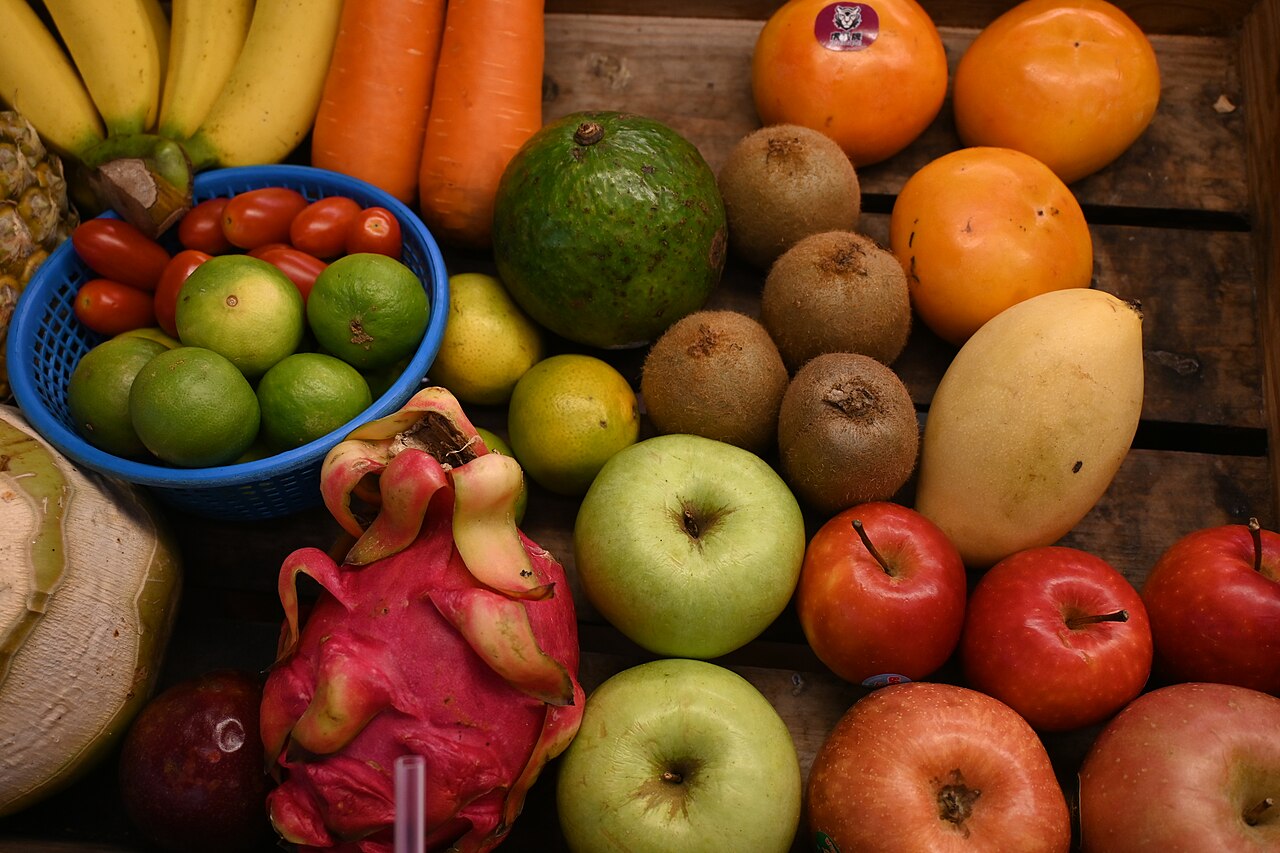
Fruits and Vegetables: The American Words for the Produce Aisle
Walk into almost any American supermarket and the first thing you reach is the produce section: the open shelves of fresh fruits and vegetables near the front of the store. "Produce" (say it PROH-doos) is the everyday American word for this whole department, and it is worth learning on its own, because you will see it on signs long before you ever find the broccoli.
This guide covers the fruits and vegetables you will meet most often, with special attention to the ones that trip learners up: foods that go by one name in the United States and a completely different name in Britain. If you have picked up English from a mix of American shows and British textbooks, this is where a lot of the confusion comes from. Our goal is not just to list words, but to explain them, so the names actually stick.
Vegetables that change their name
Some vegetables quietly swap names when they cross the Atlantic. The vegetable is exactly the same. Only the word is different. These are the pairs worth memorizing, American word first:
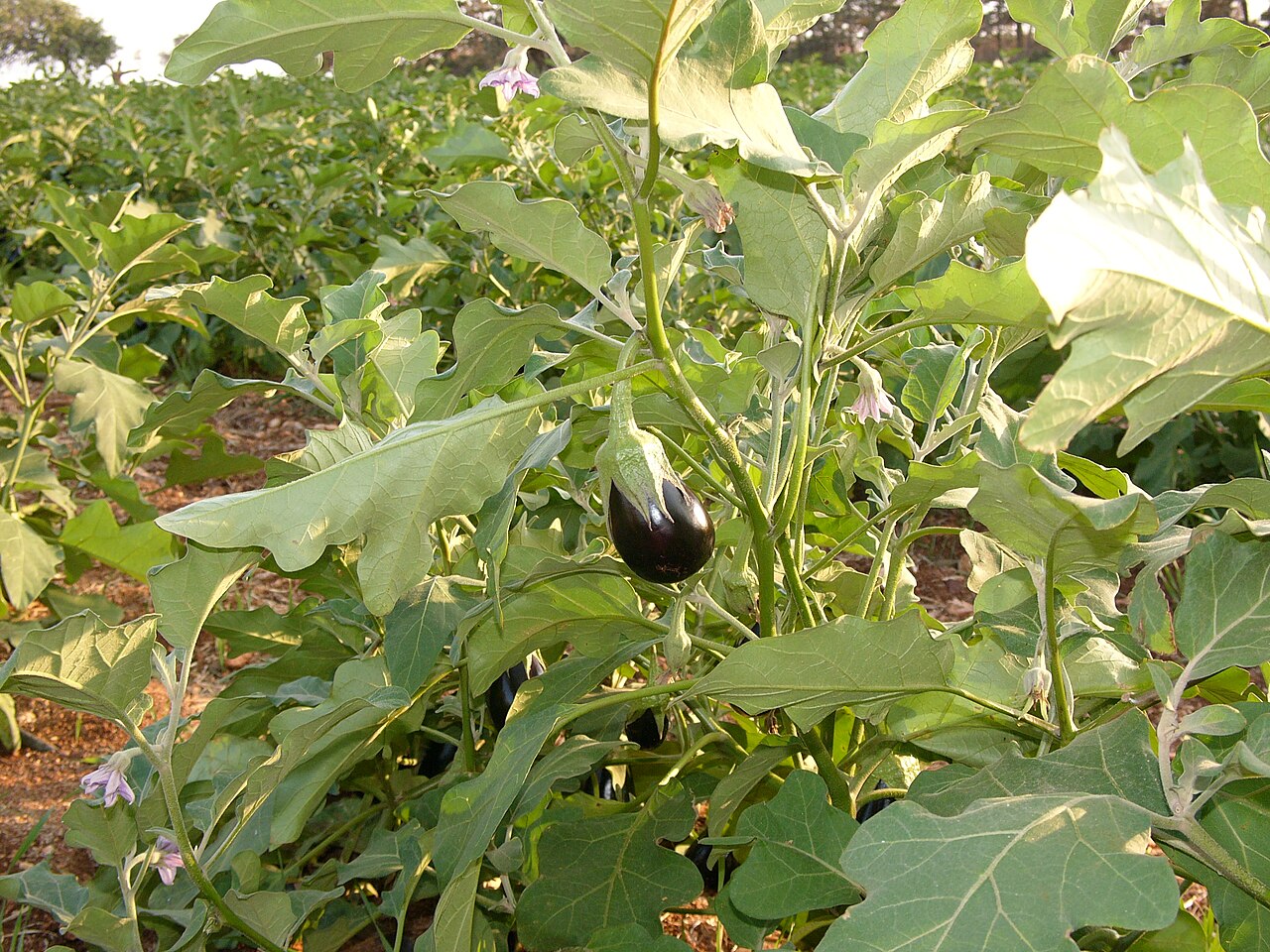
- Eggplant (US) / aubergine (UK). The glossy, deep-purple vegetable above. Americans named it "eggplant" because the first varieties they grew were small, white, and shaped like eggs. The British word, aubergine, comes from French.
- Zucchini (US) / courgette (UK). The long, green summer squash. "Zucchini" comes from Italian, "courgette" from French. One vegetable, two borrowed words.
- Scallion (US) / spring onion (UK). The thin, mild onion with a long green top. Confusingly, many Americans also say "green onion." All three names point to the same thing.
- Arugula (US) / rocket (UK). The peppery, slightly bitter salad green. Say it uh-ROO-guh-luh.
- Beet (US) / beetroot (UK). The deep-red root vegetable that stains everything it touches.
- Snow pea (US) / mangetout (UK). The flat, sweet pea pod you eat whole, shell and all, common in stir-fries.
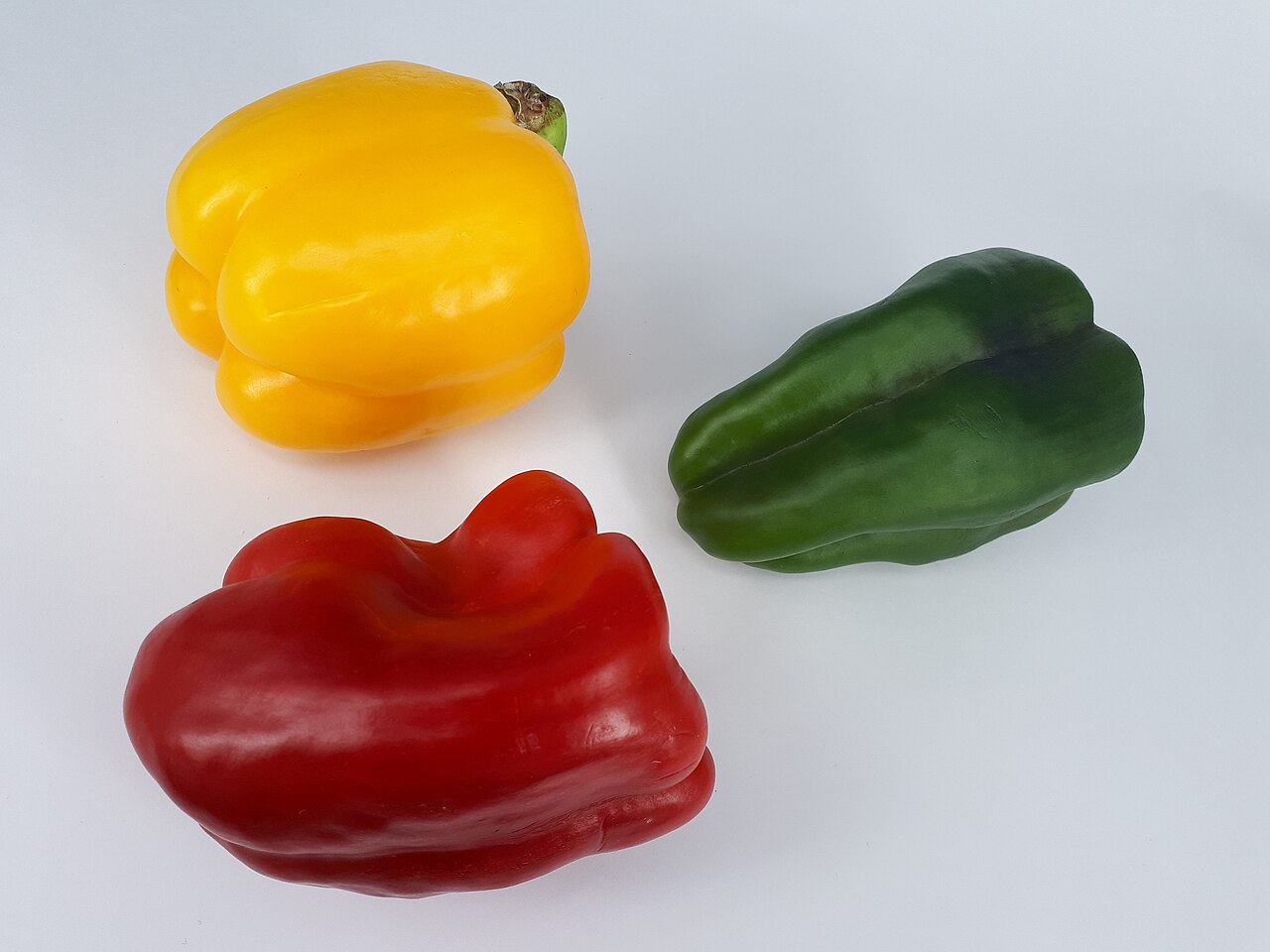
- Bell pepper (US) / pepper or capsicum (UK and Australia). The sweet, crunchy pepper shown above, sold in green, red, yellow, and orange. Americans usually say the full "bell pepper" to keep it separate from the spicy kind, which is a "chili pepper" or "hot pepper." Notice how the color acts as an adjective: a red bell pepper, a green pepper.
The great cilantro and coriander mix-up
This pair deserves its own section, because it confuses even native speakers.
In American English the plant is split into two words:
- Cilantro is the fresh green leaves and stems, the herb you scatter over tacos, salsa, and pho.
- Coriander is the dried seeds of the same plant, used as a warm, citrusy spice.
In British English, both the leaves and the seeds are simply called coriander. So when a UK recipe says "add a handful of coriander," it means the fresh leaves; when it says "one teaspoon of ground coriander," it means the seeds. The reader is expected to tell them apart from context.
One last curiosity: a small share of people carry a gene variant that makes cilantro taste like soap. So if a friend refuses to touch it, they are not just being picky. They genuinely taste something you do not.
Everyday vegetables worth knowing
These vegetables use the same word on both sides of the Atlantic. The trick with them is less about spelling and more about saying them correctly, so a pronunciation note is included where learners tend to slip:
- Broccoli and cauliflower are the two "little tree" vegetables. Cauliflower is the pale, creamy-white one; broccoli is deep green.
- Cabbage is the tight, round, heavy ball of leaves. Shredded and dressed, it becomes coleslaw.
- Kale is the dark, curly, sturdy leaf that turned into a health-food celebrity.
- Celery is the pale-green bundle of crunchy stalks (say SEL-uh-ree).
- Lettuce is the soft, leafy base of most salads (say LET-iss, not "let-oos").
- Cucumber is the long, cool, mild green vegetable in salads and sandwiches (say KYOO-cum-ber).
- Squash is a whole family, from soft summer squash to hard winter kinds like butternut and acorn squash.
- Mushroom is technically a fungus rather than a plant, but it sits in the produce aisle and cooks like a vegetable, so we treat it as one.
Learn the American word so you can speak it, and recognize the British twin when you read it.
One fruit that thinks it's a vegetable
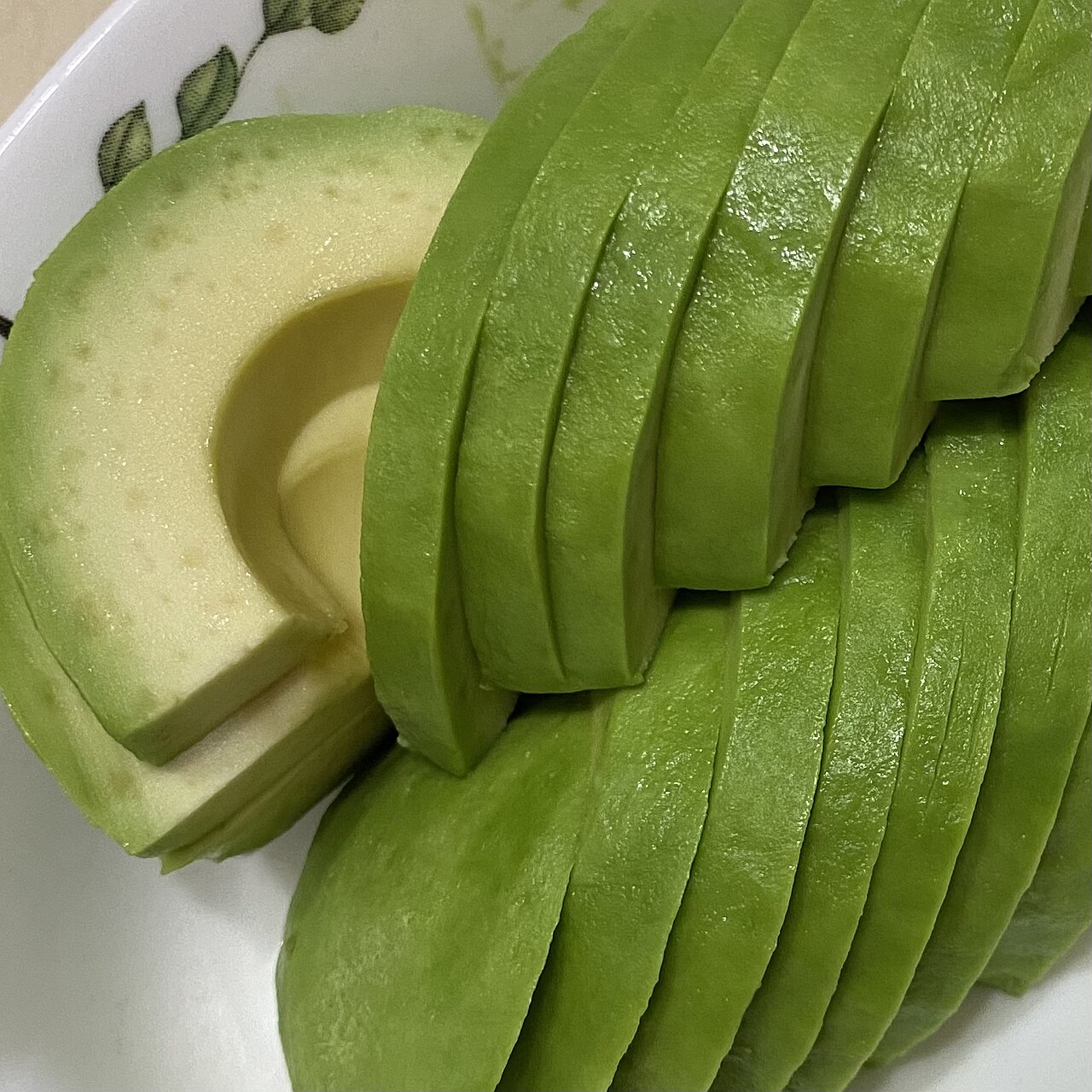
The avocado (say ah-vuh-KAH-doh) is the classic troublemaker. Botanically it is a fruit, and in fact it is a single-seeded berry. Yet we treat it entirely like a vegetable: we slice it into salads, mash it into guacamole, and spread it on toast, but you will almost never see it in a fruit salad.
Avocado is not alone in this double life. The tomato, the cucumber, the bell pepper, and even the chili are all technically fruits, because each grows from the plant's flower and carries its seeds. We simply cook them like vegetables, so in the kitchen we call them vegetables. In an 1893 US Supreme Court case about import taxes, a judge ruled that the tomato counts as a vegetable because it is served "at dinner, and not, like fruits, generally as dessert."
So if a friend insists the tomato is a fruit, they are right, botanically. And if you keep calling it a vegetable at the table, you are right too. Everyday English cares more about how we use a food than about its biology, which is exactly why learning these words by how they are used works better than memorizing definitions.
Putting it all together
Next time you walk through the produce section, try naming what you see out loud. Reach for the American word first (eggplant, zucchini, cilantro, bell pepper), and keep the British twin (aubergine, courgette, coriander, capsicum) in the back of your mind for when you open a UK cookbook or watch a British cooking show. If you also want the words for the store itself, from the cart to the checkout, see our guide to shopping at the grocery store.
Want to lock these words into memory? The collection below turns every term in this article into flashcards and quick quizzes, so you can practice until the American names come out automatically.