Travel and Hotel Vocabulary: The American Words for Your Trip
A trip is exciting, but it comes with a lot of specific English: the words for planning it, the words for the hotel where you stay, and the words for getting around once you arrive. American travel English also has a handful of differences from British English that can trip you up right when you are tired and far from home. This guide walks through a whole trip, American English first, so you can book, check in, and explore without missing a word.
Planning the trip
Every trip starts before you leave:
- A trip is any journey; a vacation (in British English, a holiday) is a trip taken for rest and fun.
- To book or reserve something is to arrange it in advance, and a reservation is the booking itself, for a flight, a hotel, or a table.
- Your itinerary is the plan of where you will go and when.
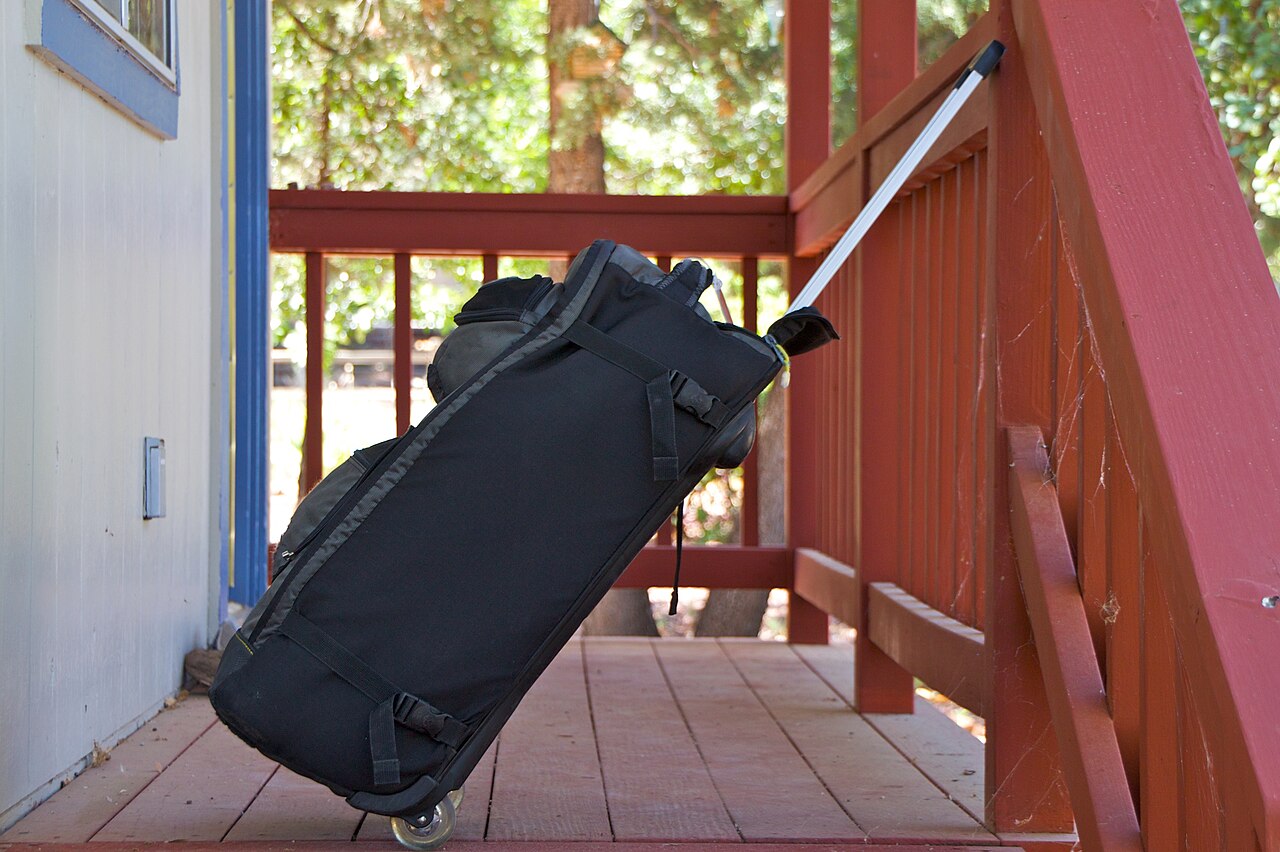
- The bags you take are your luggage or bags (in British English, baggage), which you pack before you go, shown above.
- A one-way ticket takes you there only; a round-trip ticket takes you there and back. (In British English these are single and return.)
Words with two names
Travel is full of the US-versus-UK differences this series keeps meeting. The main ones to keep straight:
- Vacation (US) / holiday (UK).
- Round-trip (US) / return (UK), and one-way (US) / single (UK).
- Front desk (US) / reception (UK), the counter where you check in.
- Elevator (US) / lift (UK), the machine that carries you between floors.
At the hotel
When you arrive at your hotel, you walk into a whole scene of new words:
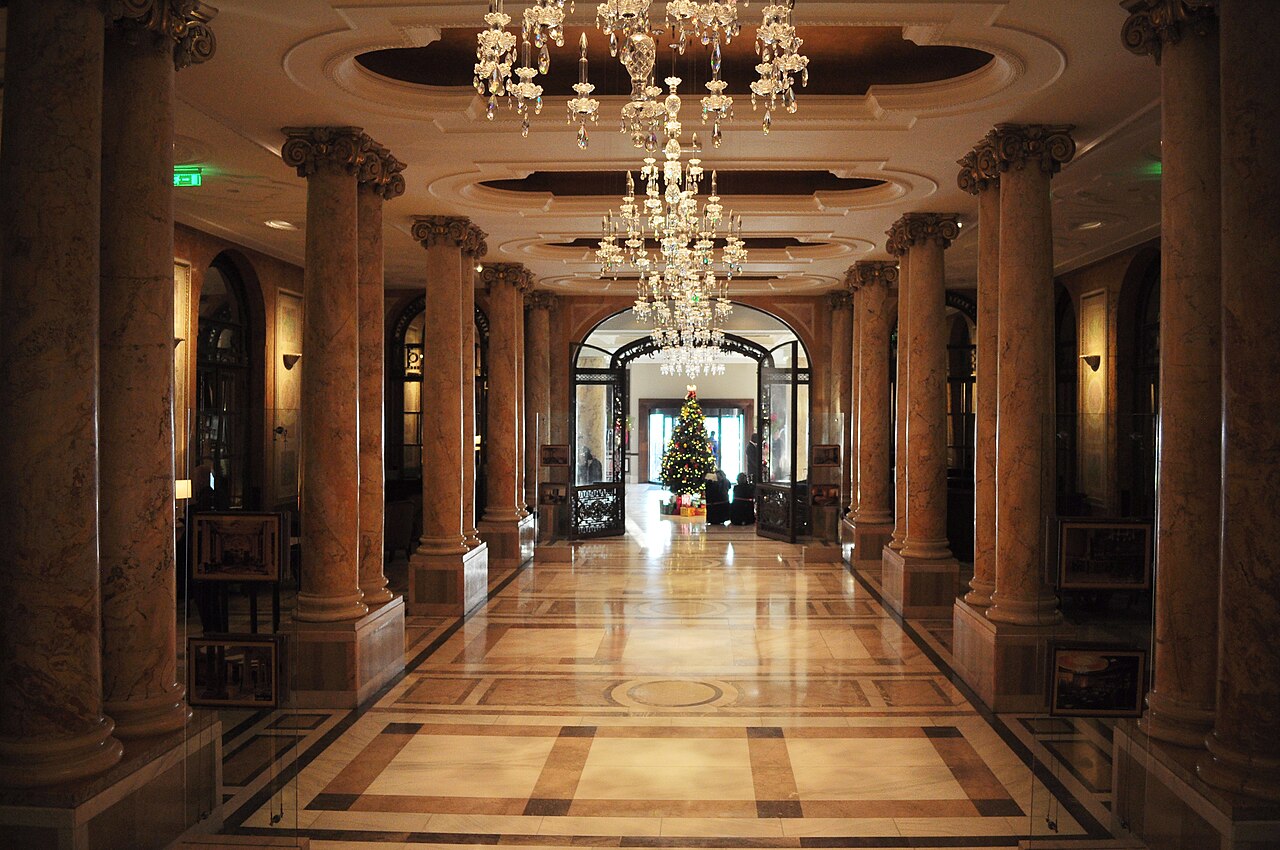
- The lobby is the large open area just inside the entrance, like the one at the top of this article.
- The front desk (or reception) is the counter where staff greet you. There you check in when you arrive and check out when you leave.
- A concierge is the staff member who helps guests with directions, restaurant reservations, and tickets.
- A bellhop is the person who helps carry your luggage to your room.
- A vacancy is an available room. A hotel that is full displays a "No Vacancy" sign.
Your hotel room
Once you are checked in, your room has its own vocabulary:
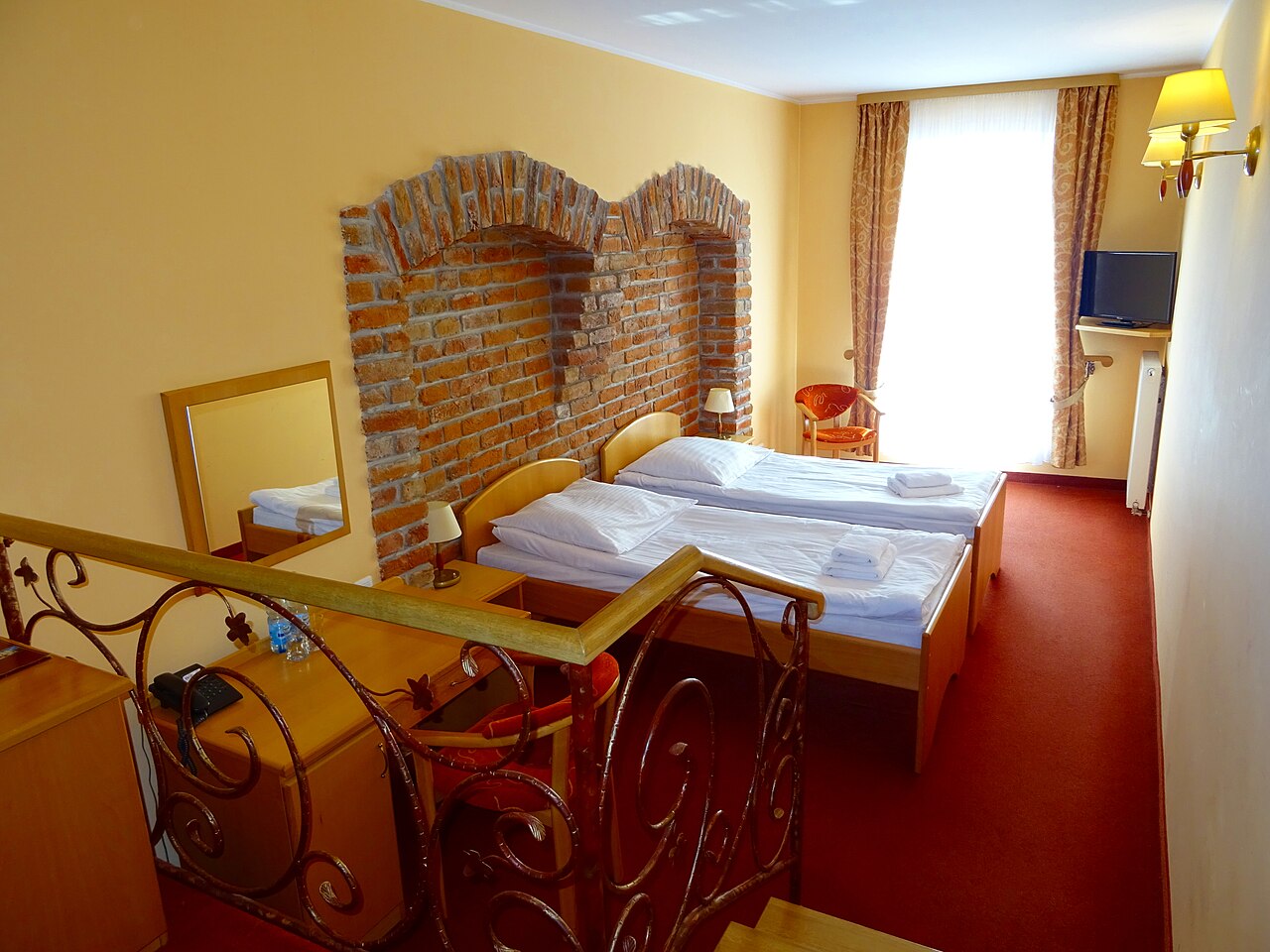
- Rooms come in types: a single (one bed), a double (for two people), and a suite (a larger room, or set of rooms). Beds are often described by size, like a queen or a king.
- Your door opens with a key card, a plastic card instead of a metal key.
- Housekeeping is the staff who clean your room and provide fresh towels each day.
- The extras a hotel offers are its amenities: free wifi, toiletries (small soaps and shampoos), a mini-bar, and sometimes a pool or gym.
- Order food to your room and it is called room service. If you do not want to be disturbed, you hang the "Do Not Disturb" sign on your door.
Seeing the sights
With a place to stay, you are ready to explore:
- Sightseeing is visiting the interesting and famous places of a city; each famous place is a landmark or an attraction.
- A tourist is a person traveling for pleasure, and a tour is an organized visit, often with a guide.
- You find your way with a map, and you bring home a souvenir, a small object that reminds you of the trip.
- To get around, you take a taxi (also called a cab), a rideshare, or the subway (the underground train, which the British call the Tube or underground).
Putting it all together
Now you can travel through a whole trip in English: book a reservation, pack your luggage, check in at the front desk, drop your bags in your room, and head out for a day of sightseeing. Keep the British twins in mind (holiday, return, reception, lift), and you will feel at home in any hotel. Since most long trips begin in the air, our guide to the airport is the perfect companion to this one.
Want these words to come out automatically? The collection below turns every term in this article into flashcards and quick quizzes, so you can travel with confidence in English.