Cooking Terms in English: The Verbs, Measures, and Words in Every Recipe
A recipe is a set of instructions written almost entirely in verbs, and if you miss one of them, dinner goes wrong. "Dice the onion, sauté until translucent, then fold in the flour" is perfectly clear to an American cook and completely opaque to someone still learning. This guide covers the language of cooking: the verbs that appear in every recipe, the American measurements that confuse the rest of the world, and the words for heat, timing, and technique. As always in this series, the goal is to explain them so they stick.
Cooking verbs: cutting
Recipes are picky about how you cut things, because the size and shape change how food cooks. American recipes distinguish these clearly:
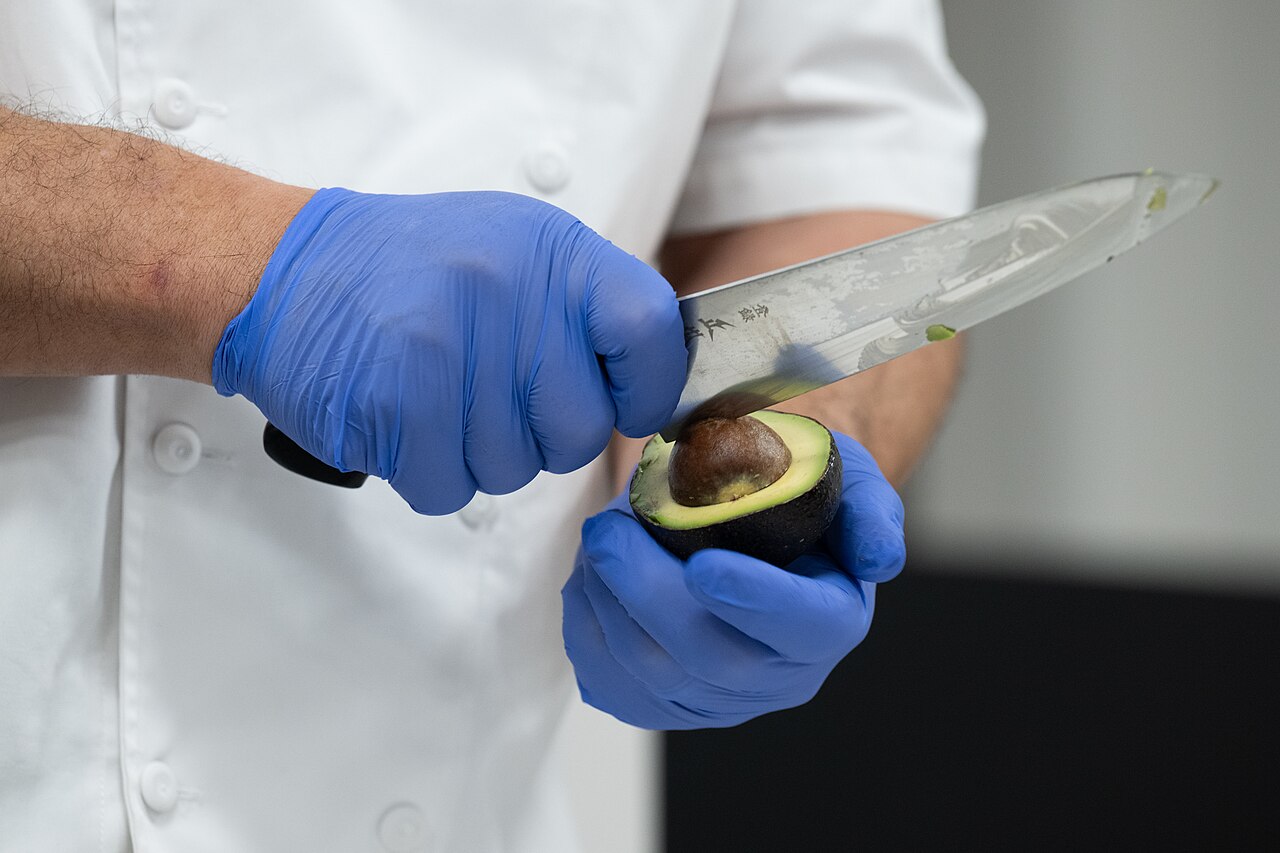
- Chop is the general word: cut into rough, bite-sized pieces.
- Dice means cut into small, even cubes. A recipe may specify "finely diced."
- Mince means cut into the tiniest possible pieces, used constantly for garlic.
- Slice means cut into thin, flat pieces, like slicing a tomato.
- Grate means rub food against a grater to make thin shreds, as with cheese.
- Peel means remove the skin, and trim means cut away the parts you do not want.
Cooking verbs: applying heat
The second family of verbs is about how the heat reaches the food. This is where the biggest US/UK trap in cooking lives:
- Boil means cook in bubbling water at full heat. Simmer means keep it just below boiling, with small, gentle bubbles. Recipes switch between them constantly ("bring to a boil, then reduce to a simmer").
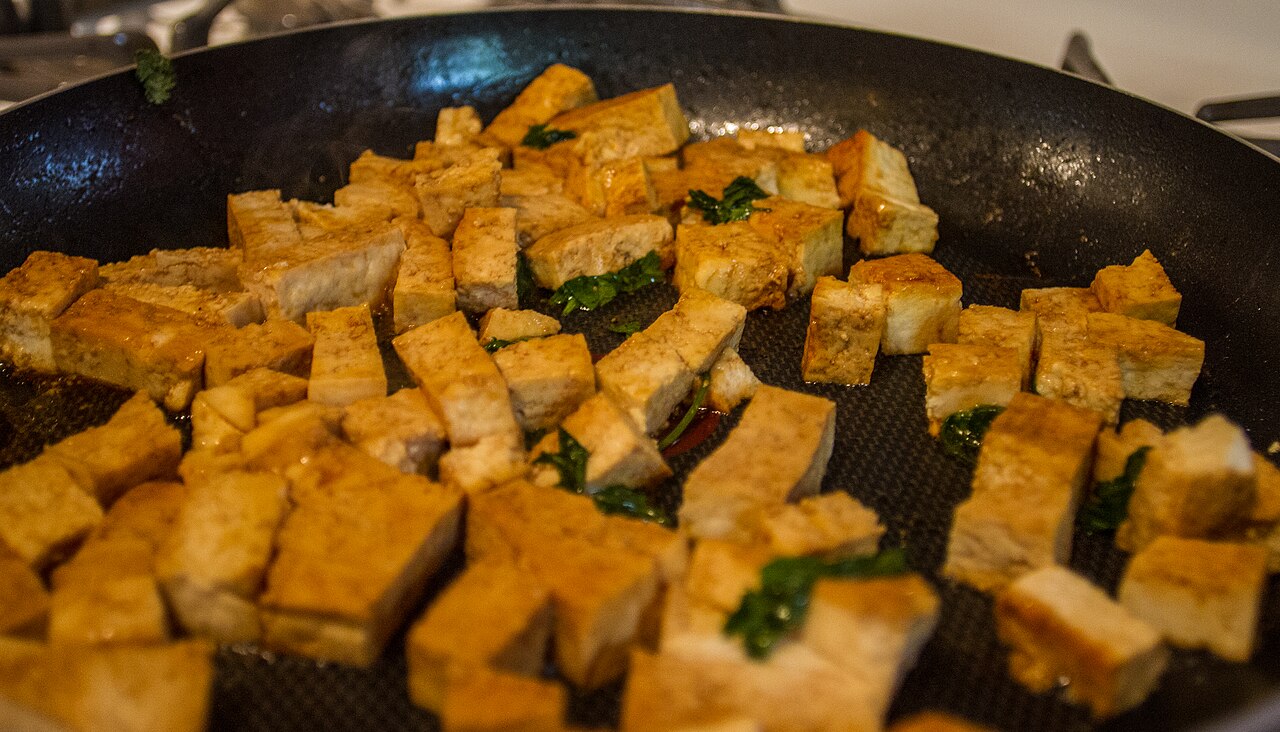
- Fry means cook in hot oil in a pan. Sauté (say saw-TAY) means fry quickly in a little oil while moving the food around. Deep-fry means submerge it completely in oil.
- Steam means cook over boiling water, never touching it.
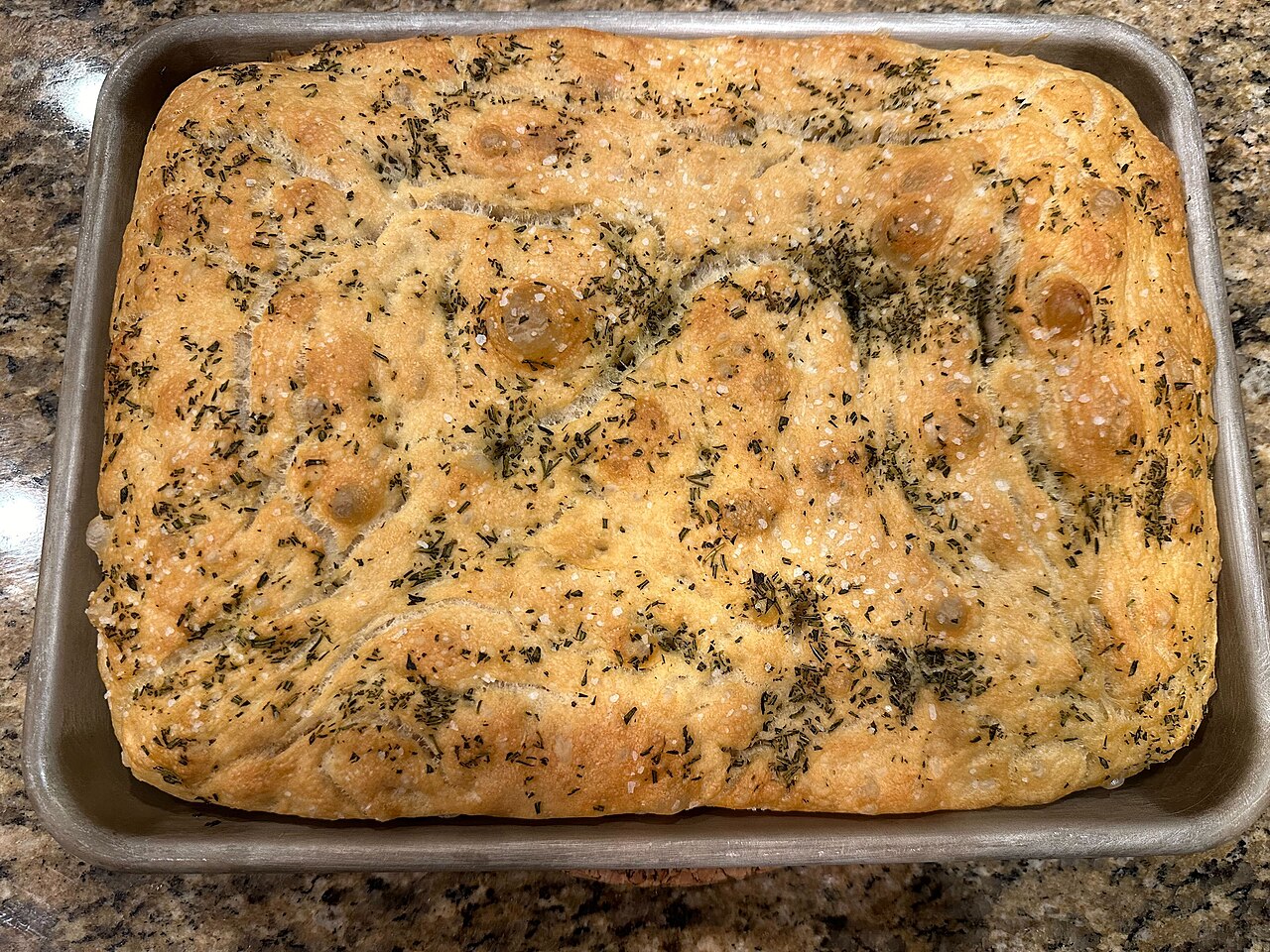
- Roast and bake both mean cook with dry heat in the oven. In practice, Americans roast meat and vegetables and bake bread, cakes, and casseroles.
- Grill means cook over an open flame or on a barbecue.
- Broil means cook with intense heat from above, using the top element of the oven.
Cooking verbs: mixing and combining
The last family is about what you do to ingredients together:
- Stir means move food around with a spoon. Whisk means beat quickly to add air, as with eggs.
- Beat means mix hard and fast; fold means combine very gently, turning the mixture over itself so it stays airy.
- Mix and combine are the general words; knead means press and fold dough with your hands.
- Season means add salt, pepper, and spices. Marinate means soak food in a flavored liquid before cooking. Drizzle means pour a thin stream over the top, and garnish means add a small decorative finish at the end.
American measurements
Here is where international cooks get stuck: American recipes measure by volume (cups and spoons), while most of the world measures dry ingredients by weight (grams). An American recipe will say "2 cups of flour," never "250 grams."
The units you need, from smallest to largest:
- A teaspoon (abbreviated tsp) is the smallest common unit.
- A tablespoon (Tbsp) equals 3 teaspoons.
- A cup equals 16 tablespoons, and is the backbone of American baking.
- A pint is 2 cups, a quart is 4 cups, and a gallon is 16 cups.
- Weight is measured in ounces (oz) and pounds (lb), where 1 pound = 16 ounces.
Oven temperature is given in degrees Fahrenheit, not Celsius. A useful anchor: 350°F is the standard baking temperature (about 175°C).
Reading a recipe
Recipes follow a predictable shape, with their own vocabulary:
- The ingredients are the foods you need; the directions (or "instructions," "method") are the numbered steps.
- Prep time is how long it takes to get ready; cook time is how long it is on the heat; yield or serves tells you how many people it feeds.
- Preheat means turn the oven on ahead of time so it reaches temperature before the food goes in.
- Something cooked until golden brown has reached the color you want; al dente (of pasta) means still slightly firm to the bite.
- Let it rest means leave the food alone after cooking so the juices settle, and leftovers are what you keep for tomorrow.
Words with two names
A few kitchen items also change name across the Atlantic:
- Skillet (US) / frying pan (UK). Americans use both, but "skillet" is distinctly American.
- Broil (US) / grill (UK), as explained above.
- Cilantro (US) / coriander (UK), the fresh herb.
- Ground beef (US) / mince or minced beef (UK).
Putting it all together
With these words you can follow any American recipe: preheat the oven, dice an onion, sauté it in a skillet, season to taste, simmer the sauce, and bake until golden brown. Learn the cup-and-spoon system, remember that broil means heat from above, and no recipe will stop you again. For the tools you will reach for, see our guide to what's in a kitchen, and for the ingredients themselves, fruits and vegetables.
Want these words to come out automatically? The collection below turns every term in this article into flashcards and quick quizzes, so you can cook from any English recipe with confidence.