Who's Who in Football: The Words for Every Player and Position
You have learned the parts of the field, and the actions that happen on it. There is one piece left: the people. English soccer talk names everyone by their job, and the same player can be a "defender", a "center-back" and a "full-back" in the same sentence.
This is the third part of our soccer set. If you have not seen them yet, start with the parts of a soccer field and the actions of the game. Here we name the people: where they play, what they are called, and who keeps order.
A team has eleven players on the field at any moment, and the whole group of players a club can pick from is called the roster (UK: squad).
The back: the goalkeeper and the defenders
The goalkeeper (often just "keeper") guards the goal, and is the only player allowed to use their hands, inside their own penalty area.
In front of the keeper are the defenders, whose job is to stop the other team scoring. A defender in the middle is a center-back; one near the side of the field is a full-back, who often runs forward up the wing to help the attack.
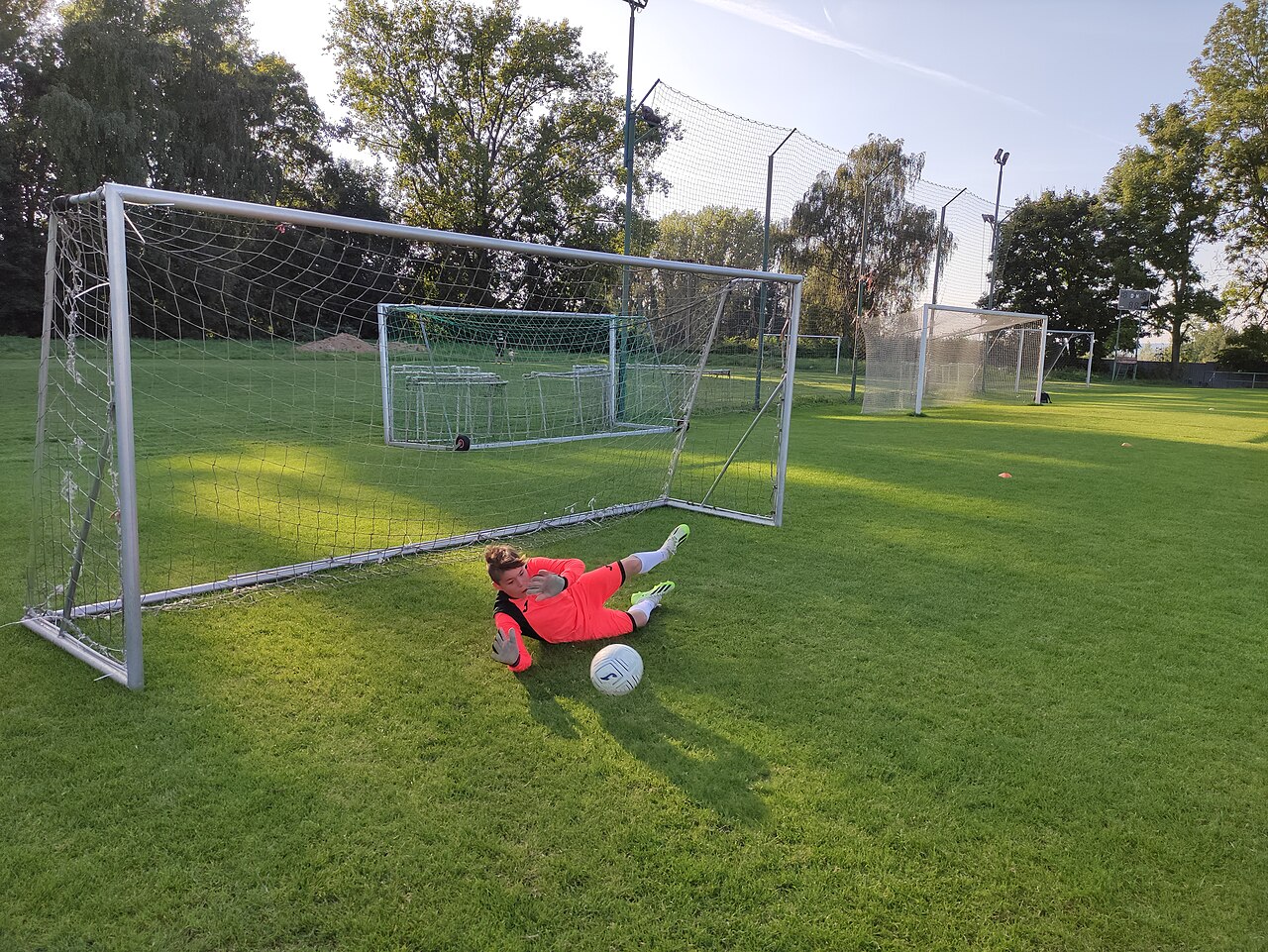
Photo: Fry72 / CC BY-SA 4.0, via Wikimedia Commons.
The middle: the midfielders
The midfielders play between defense and attack. They do the most running, winning the ball back and then setting up the players in front of them. A midfielder who plays wide, close to the touchline, is called a winger, and is usually quick and good at crossing the ball.
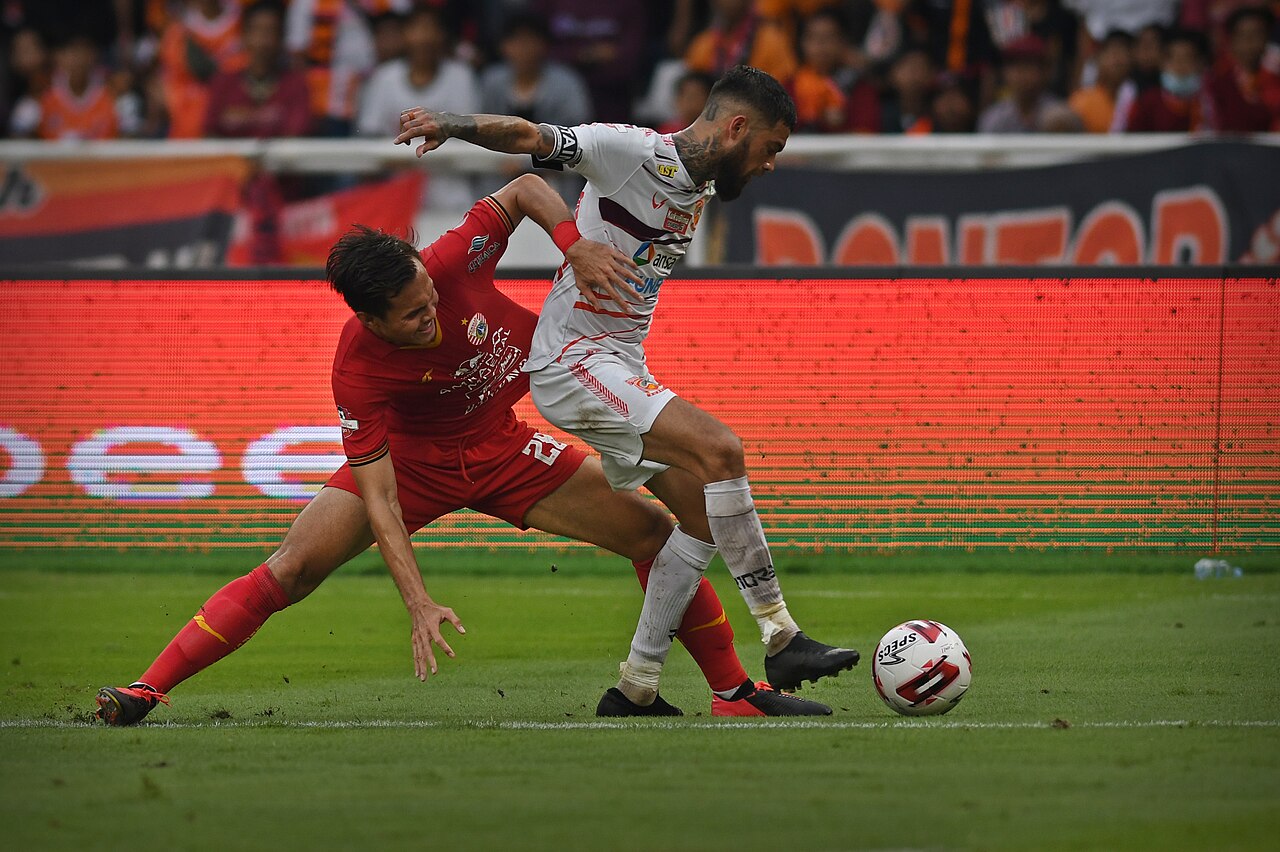
Photo: Adityadandito / CC BY-SA 4.0, via Wikimedia Commons.
The front: the attackers
The players whose main job is to score are the forwards, also called attackers. The central forward, the one closest to the goal, is the striker, the player you expect to score most of the goals.
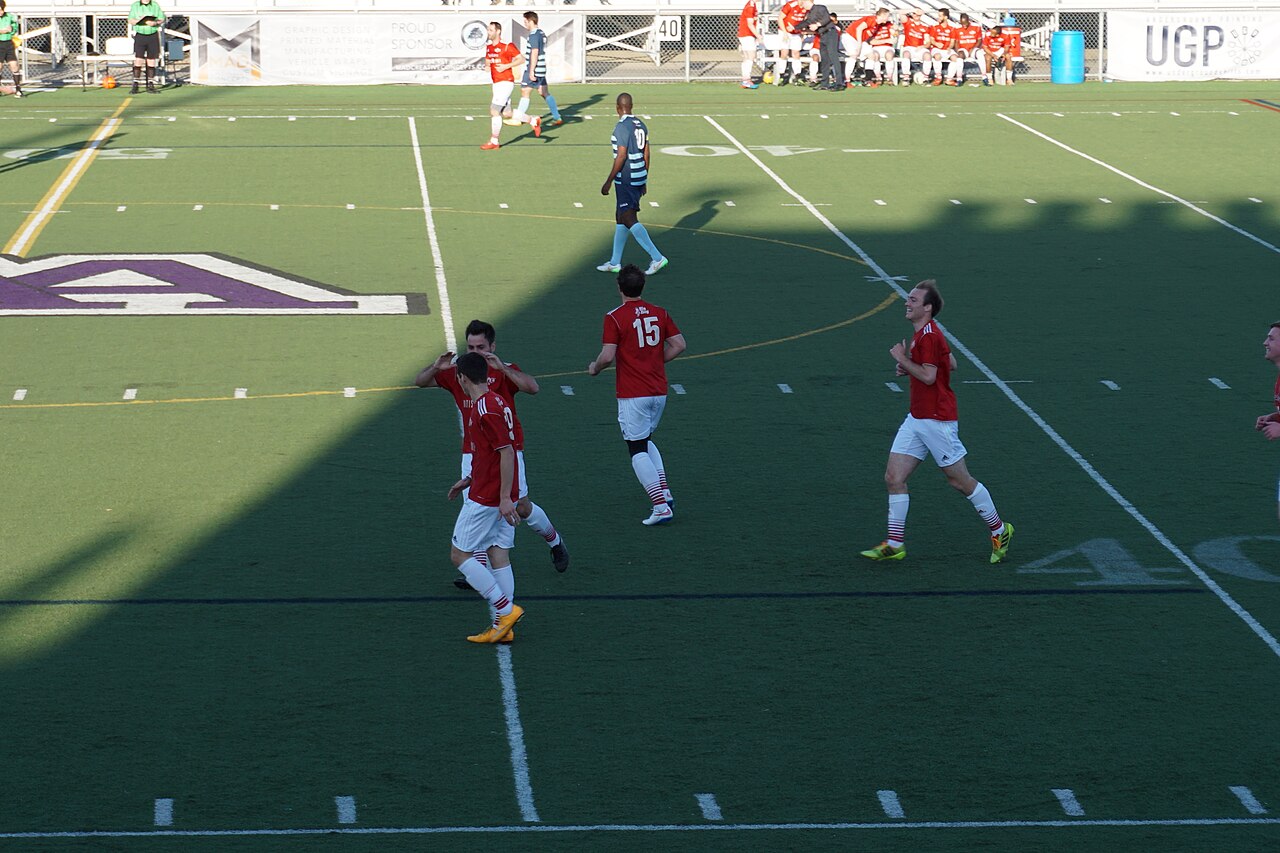
Photo: Michael Barera / CC BY-SA 4.0, via Wikimedia Commons.
The captain, the coach and the bench
One player on the field wears an armband and leads the team: the captain. From the side of the field, the coach (UK: manager, or "the boss") decides the tactics and chooses who plays.
Not everyone starts the match. The extra players wait on the bench, ready to come on as a substitute when the coach wants to change the game.
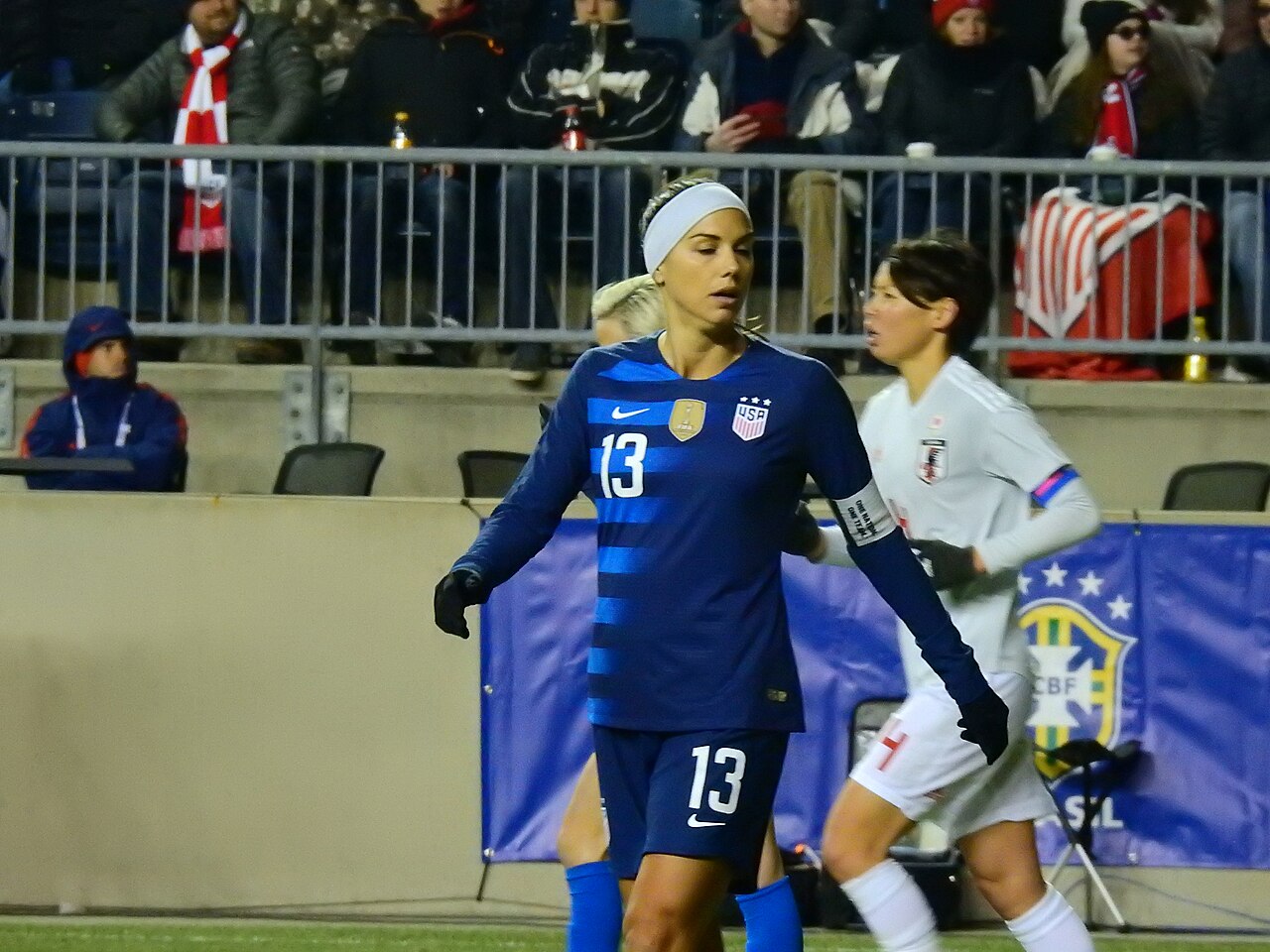
Photo: Kriss / Public domain, via Wikimedia Commons.
The match officials
The game is controlled by the referee, who enforces the rules, awards free kicks, and shows yellow and red cards. Helping from the touchlines are the two assistant referees (older fans still call them "linesmen"), who watch for offside and signal when the ball goes out of play.
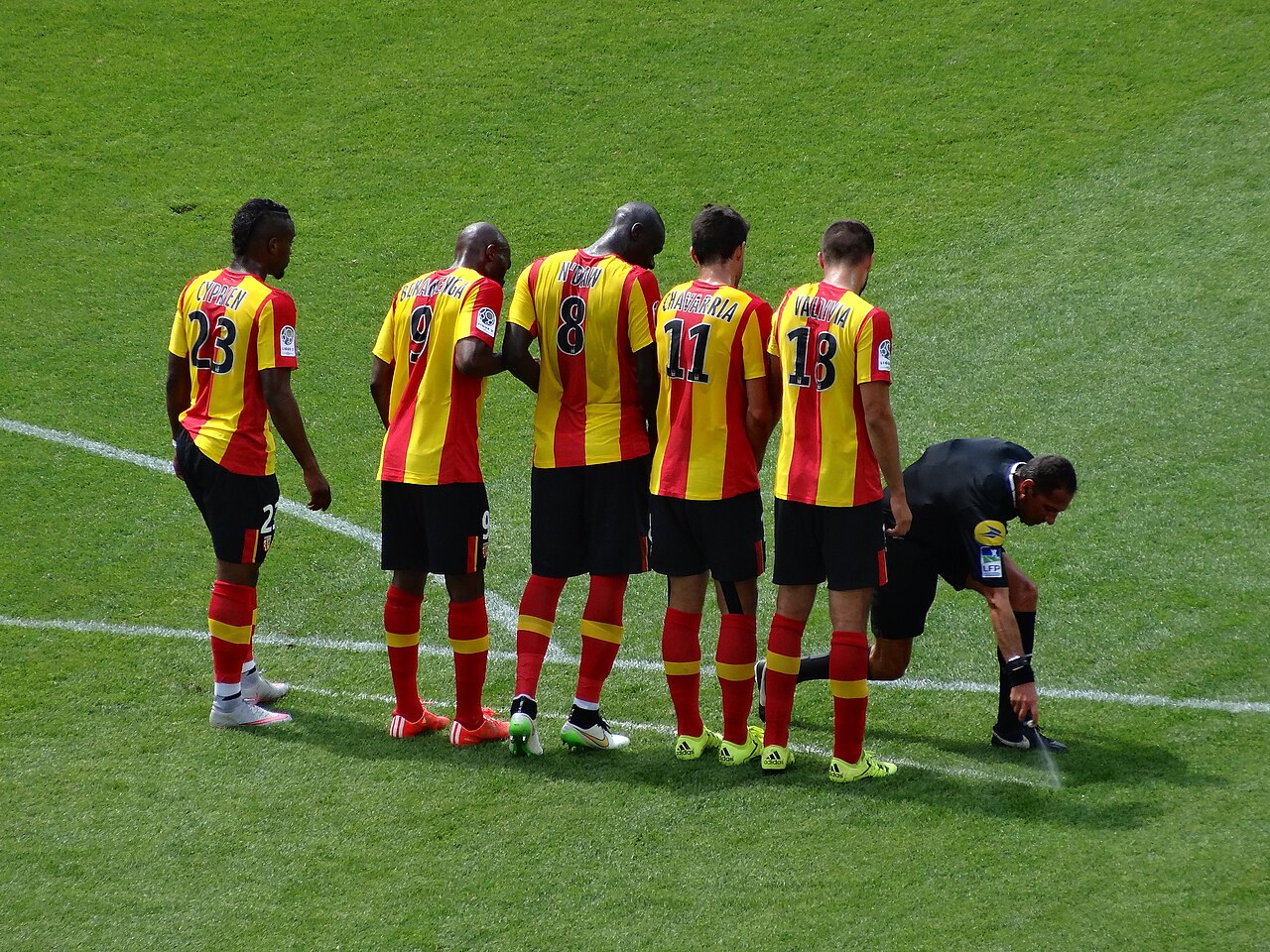
Photo: Liondartois / CC BY-SA 4.0, via Wikimedia Commons.
Put the words into play
Now you have the full picture: the where (the field), the what (the actions), and the who (the people). Together, these three sets turn a wall of fast commentary into clear, followable English. Open the Football Roles collection above, practice each word in real sentences, and your next match becomes an English lesson you will actually enjoy.